News

Writing about this environment and the Peace Community of San José de Apartadó may seem difficult.
On one hand, to understand the situation, it would be necessary to understand the history of the Colombian armed conflict and its factions, how each player controls or penetrates the territory, and the geography of the region, resources, and interests at stake.
But we would need more than a few history books —and certainly more space than we have here—for even a brief introduction that could pretend to be comprehensive. Besides, even focusing on the specifics is difficult, out of respect for the stories and suffering of the people involved, and even more so because of the restrictions and rules we must follow for our own safety. Fortunately, it is often the Peace Community itself that lifts these burdens from us, constantly offering examples of what a life of non-violent resistance truly means—a clarity that makes our task much easier than expected. The Peace Community was founded in 1997.

Read more ...

One of the most surprising things I have observed in my time with the environmental and human rights defenders of the Peace Community of San José de Apartadó is the way in which the concept of humanity develops.
We can find it in the speeches they make at community meetings, in the political choice to live nonviolent resistance in a conflict zone, in the grief of burying the comrades and companions killed.
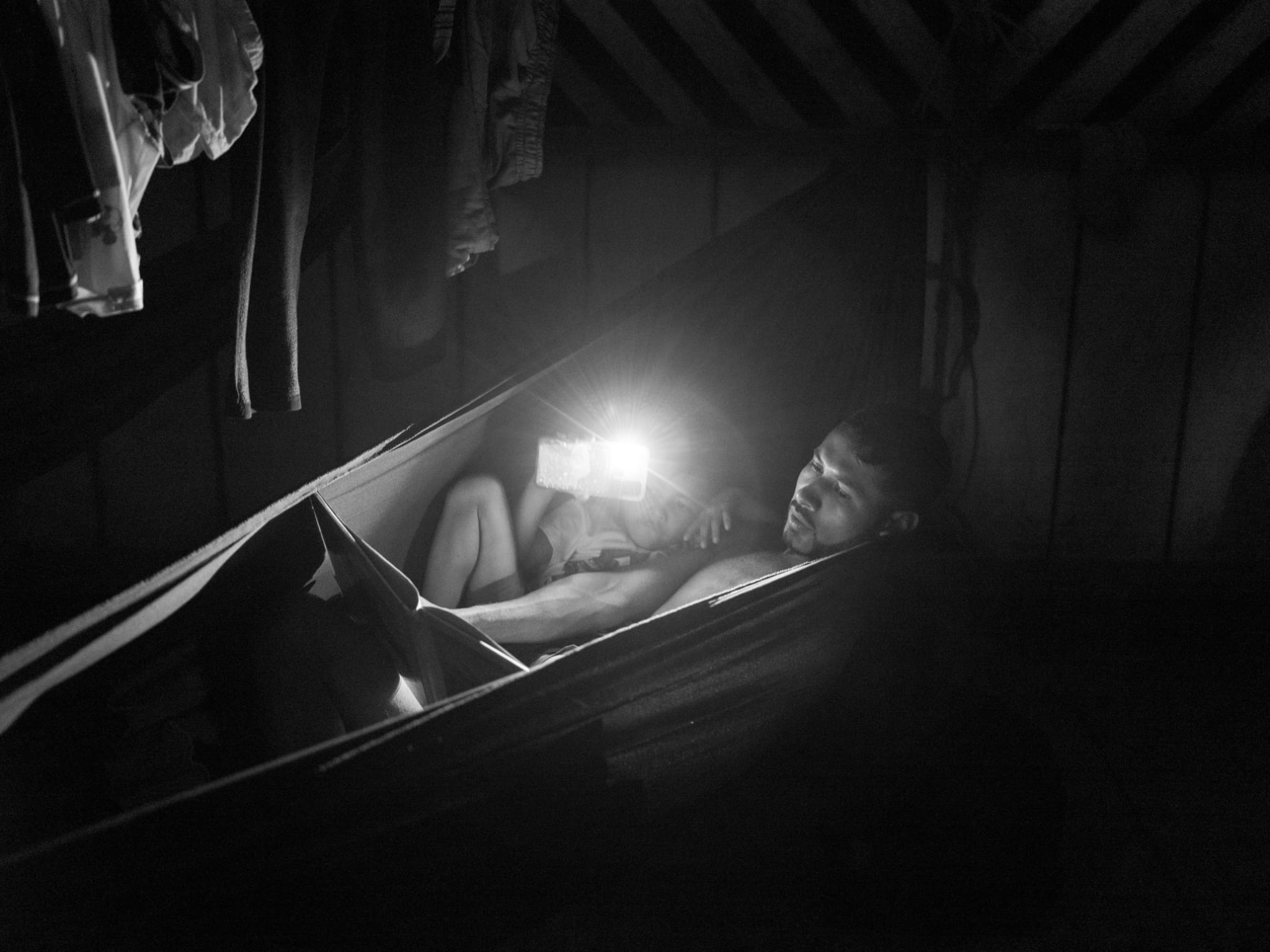
We can find it a few weeks after the latest double murder, a few dozen metres from the site of the 2005 massacre, in a boy reading his son a fairy tale before bedtime.

Traducción del comunicado de prensa del 20/03/24 elaborado por Operazione Colomba-Asociación Comunità Papa Giovanni XXIII

Comunicado de prensa 20/3/24

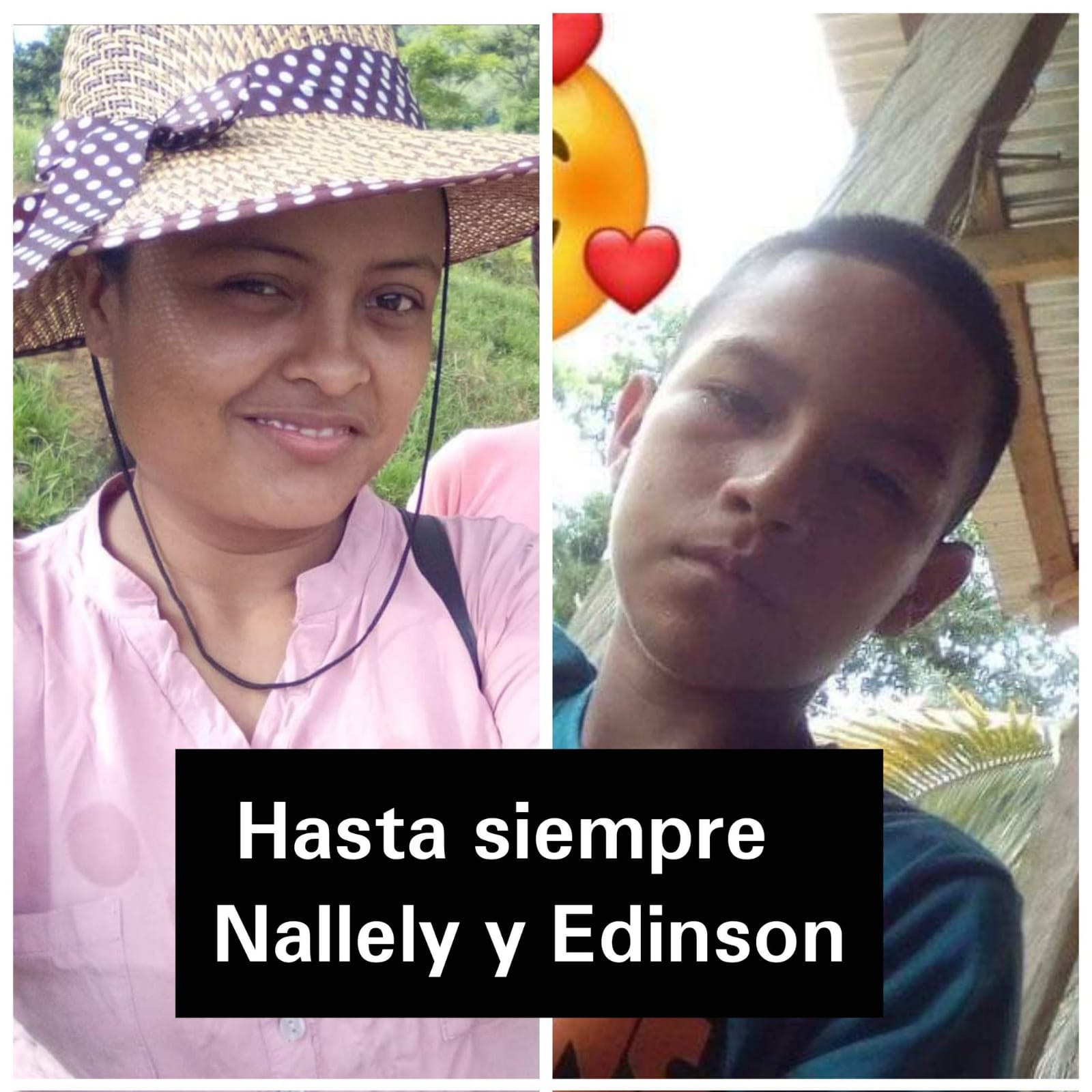
Ayer por la mañana fueron asesinados en Colombia una mujer y un niño pertenecientes a la Comunidad de Paz de San José de Apartadó. Las víctimas son Nayeli Sepúlveda, de 30 años, y Edison David, de 15, esposa y hermano respectivamente de uno de los líderes de la Comunidad de Paz. El doble asesinato fue perpetrado a tiros en la mañana del 19 de marzo de 2024 en la vereda La Esperanza, en el departamento de Antioquia.

“Durante las dos últimas semanas, los voluntarios de Operazione Colomba estuvimos presentes como observadores internacionales en la vereda La Esperanza precisamente por los últimos ataques sufridos. Yo había salido de ese pueblo el día anterior a la masacre”, explica Mónica Puto, operadora de Operazione Colomba, el cuerpo de paz noviolento de la Comunidad de Padre Oreste Benzi.

“La Comunidad de Paz había sufrido recientemente varios ataques: - continúa Puto - invasiones de tierras en la finca privada Las Delicias, dentro de la vereda, daños materiales a sus propiedades, amenazas, calumnias para desprestigiar la resistencia pacífica que llevan a cabo desde hace 27 años para proteger sus tierras de los grandes proyectos extractivos. El municipio de Apartadó, las autoridades locales y el gobierno nacional tenían conocimiento de lo que estaba sucediendo antes de la masacre”.

Read more ...

Translation of the press release 03/20/24 written by Operazione Colomba-Association Comunità Papa Giovanni XXIII

PRESS RELEASE 03/20/24

Yesterday morning, in Colombia, a woman and a boy from the Peace Community of San José de Apartadó were killed. The victims are Nayeli Sepulveda, 30, and Edison David, 15, wife and brother of a representative from the Peace Community. They were murdered by gunshots in the village of La Esperanza, Antioquia Department, on March 19th in the morning.

«In the last two weeks we have been in La Esperanza village as international observers from Operazione Colomba because of the latest attacks received by the Peace Community. I left that village the day before the massacre» explains Monica Puto from Operazione Colomba, the Nonviolent Peace Corps of Don Benzi's Community.

«The Peace Community recently suffered several attacks: – says Puto – invasions of lands on the private property Las Delicias within the village, material damage to its assets, threats, calumnies to discredit the peaceful resistance they have been carrying out for 27 years with the aim of protecting their land from big mining projects. The Apartadò Municipality, the local authorities and the national government were aware of what was happening before the massacre.»

Read more ...

 I was wearing my boots; it rained heavily that day. I left the house, and I don't remember exactly why, but strangely, I had decided to put them on even though I only had a short distance to walk. There was a lot of mud. I think that, upon seeing me already so geared up, the invitation came spontaneously from Brigida: "Will you accompany me to pick some mangoes?"
It was a request not based on safety reasons but simply the desire to reach those large trees, pick some fruit, and have one together:
“solita no quiero ir, mi hijo está cansado" (Transl. I don't want to go alone, my son is tired.)
And that's how, in just a few minutes, I found myself climbing the hill in front of the Peace Community’s entrance, a community land, to collect some mangoes that had fallen due to the heavy rain that had just passed. "What wonderful trees; we've had two bad years, but look how full of fruit they are!"
"Brigida, do you know that we often tell your 'mango story'? About how long it takes from planting to seeing the fruits, about what hope means to you. And now, I find myself here with you, picking these fruits, symbol of resistance, love, but above all, perseverance on this challenging path of peace." She turns her gaze slowly backward, but she is not looking at me; she is looking at the boot prints left behind as we reached these majestic mango trees. How many years of struggle for you, dear Brigida. How much mud in your life.
How many mangoes collected.

Read more ...